In the world of networking, IP addresses are like digital home addresses—every device connected to the internet relies on them to communicate. But sometimes, you come across something that looks like a valid IP address yet doesn’t actually exist in real networking systems. One such example is 212.32.266.234.
At first glance, it appears to be a standard IPv4 address. However, when you take a closer look, you’ll notice something unusual that makes it technically invalid. This article breaks down what this IP means, why it appears in logs, and how professionals interpret it in real-world scenarios.
What is 212.32.266.234?
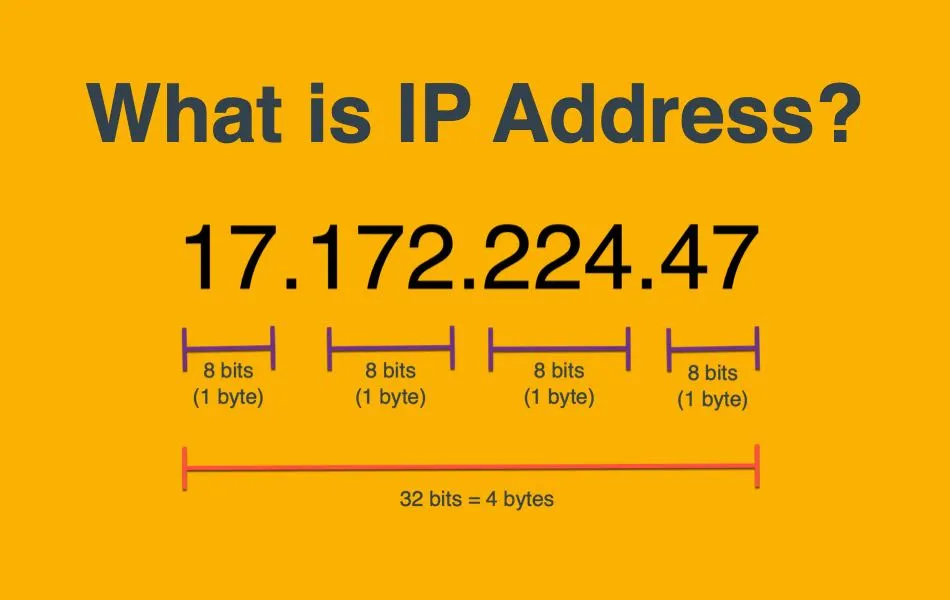
The sequence 212.32.266.234 resembles an IPv4 address, which normally consists of four numerical blocks separated by dots. Each block (called an octet) must fall between 0 and 255.
Here’s where the problem begins:
- 212 → valid
- 32 → valid
- 266 → invalid (out of range)
- 234 → valid
Because one of the octets exceeds 255, this address cannot exist in real networking environments.
So, 212.32.266.234 is not a real or routable IP address. Instead, it is considered a malformed or incorrectly generated value.
Why Does an Invalid IP Like This Appear?
You might be wondering—if this IP is not real, why does it show up in logs or data?
There are several common explanations:
1. Data Entry or Typing Error
Sometimes administrators or developers accidentally input incorrect values. A simple typo can turn a valid IP into an invalid one.
2. Corrupted Log Files
During system crashes or improper logging, data can become corrupted, resulting in impossible IP formats.
3. Placeholder or Dummy Data
In testing environments, developers may insert fake IPs for simulation purposes.
4. Malicious or Spoofed Traffic
Cyber attackers sometimes manipulate logs or send malformed data to confuse monitoring systems.
5. Parsing or Encoding Bugs
Software that processes IP addresses may incorrectly format or concatenate values.
Detecting and Resolving Data Anomalies
I once came across a situation where a security dashboard repeatedly showed strange IP entries like 212.32.266.234 in firewall logs. At first, it raised alarm bells—was this an unknown attack source?
After investigation, it turned out the issue wasn’t external at all. A logging script had a bug that occasionally added “overflow values” when reading network packets. The system was misreporting corrupted fields as IP addresses.
This kind of situation is more common than you might think, especially in large-scale systems handling millions of requests per day.
Valid vs Invalid IP vs Other Address Types
To better understand where this IP stands, let’s compare different types of network addresses:
| Type | Example | Description | Validity |
|---|---|---|---|
| Valid IPv4 | 192.168.1.1 | Standard private network IP | Valid |
| Public IPv4 | 8.8.8.8 | Google DNS server | Valid |
| Invalid IP | 212.32.266.234 | Octet exceeds 255 | Invalid |
| Private IP Range | 10.0.0.1 | Internal network usage | Valid but non-public |
| Spoofed IP | 123.45.67.89 (fake) | Forged identity | Technically invalid source |
This comparison shows that not everything that looks like an IP address actually functions as one.
Technical Breakdown: Why 266 Breaks IPv4 Rules
IPv4 addresses are based on a 32-bit system divided into four 8-bit segments. Each segment can only represent values from 0 to 255 because:
- 8 bits = 2⁸ = 256 possible values
- Range = 0 to 255
When a number like 266 appears, it exceeds the binary limit of an octet. This makes the address mathematically impossible in IPv4 architecture.
That’s why systems either reject it or treat it as corrupted data.
Security Perspective: Should You Be Concerned?
Seeing an address like 212.32.266.234 in your logs is usually not a direct threat. However, it can indicate:
- Logging errors
- Data manipulation attempts
- Misconfigured applications
- Network monitoring issues
While it is not a real attacker IP, repeated occurrences should not be ignored. Instead, they should prompt a review of:
- Log generation systems
- Firewall parsing rules
- Application-level validation
How to Investigate Such IP Entries
If you encounter a similar IP in real systems, here’s a practical approach:
- Validate the source system generating logs
- Check parsing rules for IP extraction
- Inspect raw logs before processing
- Look for patterns (frequency, timing, repetition)
- Test with known valid IPs to compare behavior
Proper validation at the input level can prevent such anomalies from polluting datasets.
Hidden Insight: Why These Errors Matter More Than You Think
Even though an invalid IP like this may seem harmless, it often reveals deeper system weaknesses. In large-scale infrastructure, small parsing errors can lead to:
- False security alerts
- Misleading analytics reports
- Incorrect geo-location mapping
- Faulty threat intelligence data
In modern cybersecurity, data accuracy is just as important as threat detection itself. A single malformed IP can distort dashboards and lead to wrong decisions if not filtered properly.
Read More: 183.63.127.22 IP Address Guide & Insights Explained
Conclusion
The IP address 212.32.266.234 is not a real or usable IPv4 address. It breaks fundamental networking rules due to an invalid octet value. However, its appearance in logs or systems is often a sign of deeper issues such as data corruption, software bugs, or misconfiguration.
Understanding why such anomalies appear helps improve both network security and data integrity. Instead of treating it as a threat, it should be seen as a signal—something in the system needs attention.
FAQs
1. Is 212.32.266.234 a real IP address?
No, it is not real. The number 266 exceeds the valid IPv4 range of 0–255.
2. Why does this IP appear in logs?
It usually appears due to errors, corrupted data, testing placeholders, or logging bugs.
3. Can an invalid IP be dangerous?
Not directly. However, it may indicate issues in your system that should be checked.
4. How can I prevent invalid IP entries?
Use strict input validation and sanitize log data before storing or processing it.
5. Is this related to hacking or cyber attacks?
Not necessarily. While spoofing is possible, most cases are caused by system or software errors.
